Nigeria may miss its 2030 goal to end routine gas flaring because the money is hard to find, a regulator official says
A senior NUPRC manager told Premium Times at the COP31 climate talks that gas projects need funding that the global energy transition is making scarcer.
In 30 seconds
- Ibrahim Illo, a senior manager at the upstream regulator NUPRC, says Nigeria's target of ending routine gas flaring by 2030 could face funding problems.
- He told Premium Times at COP31 in Antalya, Turkey, that oil and gas projects are expensive and need financing.
- Premium Times, citing the World Bank, says Nigeria's flaring rose 12 per cent in 2024, the second yearly rise in a row.
- NUPRC gave 28 companies permits to sell flare gas in December 2025, more than four years after the Petroleum Industry Act.
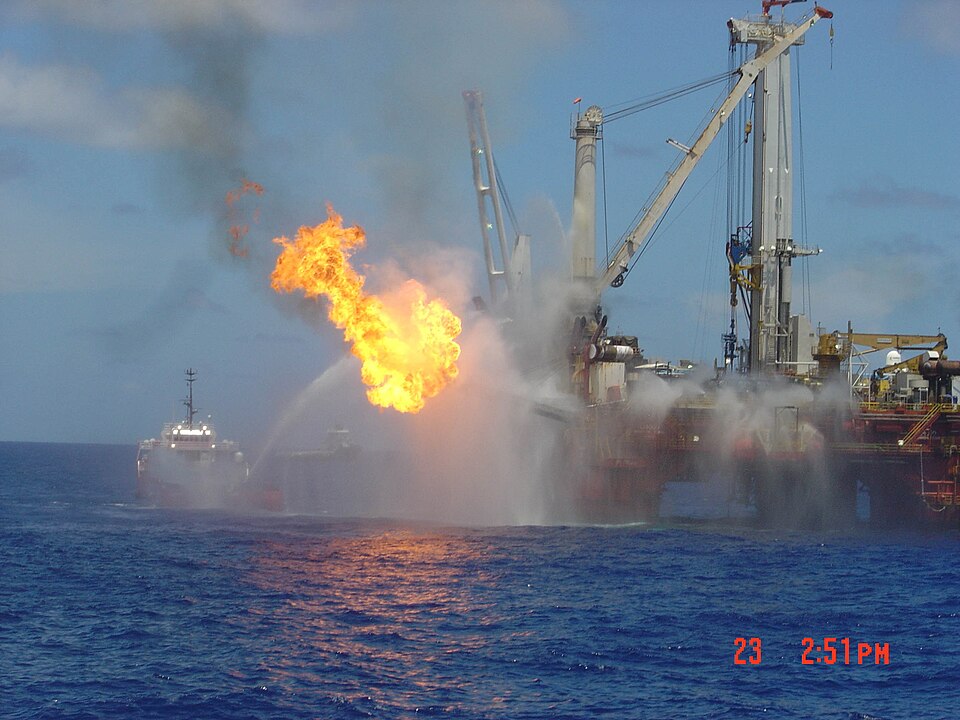
Nigeria has promised to stop routine gas flaring by 2030. One of the officials who regulates the industry says that date may slip.
Ibrahim Illo, a senior manager in the sustainability, health, safety and environment department of the Nigerian Upstream Petroleum Regulatory Commission (NUPRC), told Premium Times at the COP31 climate conference in Antalya, Turkey, that ending flaring by 2030 could run into financing problems.
"Oil and gas projects are not cheap projects; you need funding," he said, Premium Times reported on Sunday. He linked part of the difficulty to the global energy transition, which has made lenders more wary of fossil fuel projects.
Where flaring stands
Nigeria signed up to the World Bank's Zero Routine Flaring by 2030 pledge in June 2016. An earlier national plan, launched the same year, aimed to end flaring by 2020. It missed.
Citing the World Bank's 2025 gas flaring tracker, Premium Times reports that Nigeria's flaring rose 12 per cent in 2024, the second year in a row it went up. The amount flared per barrel of oil rose from 11 to 12 cubic metres, more than twice the world average, the paper says. NNPC and smaller, mostly Nigerian-owned companies accounted for 60 per cent of 2024 flaring and 75 per cent of the increase, it reports.
What the law allows
Illo pointed to Section 105(2) of the Petroleum Industry Act, which lets NUPRC take gas that would be flared, free of charge, and offer it to companies to use. Rules made in 2023 require producers to submit plans to end or sell their flared gas.
Premium Times notes that NUPRC issued permits to 28 companies to commercialise flare gas only in December 2025, more than four years after the Act became law.
Last week at the same conference, NUPRC's chief executive Oritsemeyiwa Eyesan told investors that flare gas projects could draw about $2.2 billion, Premium Times reported. NUPRC's 2025 annual report, as reported, puts gas flared last year at 215 billion cubic feet.
What it means for you
Flared gas is wasted fuel. Captured, it could run power stations, fill cooking gas cylinders and supply CNG for cars. Burned, it pollutes the air for people in the Niger Delta and earns nothing. If the 2030 date slips, that waste goes on. Why Nigeria flares gas, simply explained.
Words to know
- Gas flaring
- Burning off gas that comes up with oil, instead of capturing and using it.
- Routine flaring
- Flaring done as normal practice during production, not for safety or emergencies.
- NUPRC
- The Nigerian Upstream Petroleum Regulatory Commission, which regulates oil and gas production.
Sources
- Premium Times: "Why Nigeria may miss gas flaring stop date", NUPRC (15 Nov 2026)
- Premium Times: COP31, Nigeria pitches $2.2 billion flare gas plan to investors as flaring persists (12 Nov 2026)
Spotted an error? Tell us and we will fix it and say so.