Your light just went off. Who is responsible: the DisCo, TCN, NISO or the power station?
This week Ikeja Electric and the transmission company blamed each other for Band A outages. Here is who does what between the power station and your meter, and who to call, simply.
In 30 seconds
- Power stations (GenCos) make the electricity. Most burn gas; a few use water at dams.
- TCN carries it on high-voltage lines across the country. NISO decides how much each DisCo gets.
- Your DisCo takes it from there to your street, sends the bill and fixes local faults.
- This week TCN said most cuts on Ikeja Electric's feeders were caused by low generation, and about a quarter by the DisCo's own side.
When the light goes, most of us blame "NEPA". But NEPA is long gone. Today four different players stand between a power station and your meter, and this week two of them blamed each other in public. Read the news story.
The four links in the chain
1. The power station (GenCo). It makes the electricity. Most of Nigeria's grid power comes from stations that burn gas. A few, such as Kainji and Zungeru, use water held back by dams. If gas does not arrive or the river is low, the station makes less.
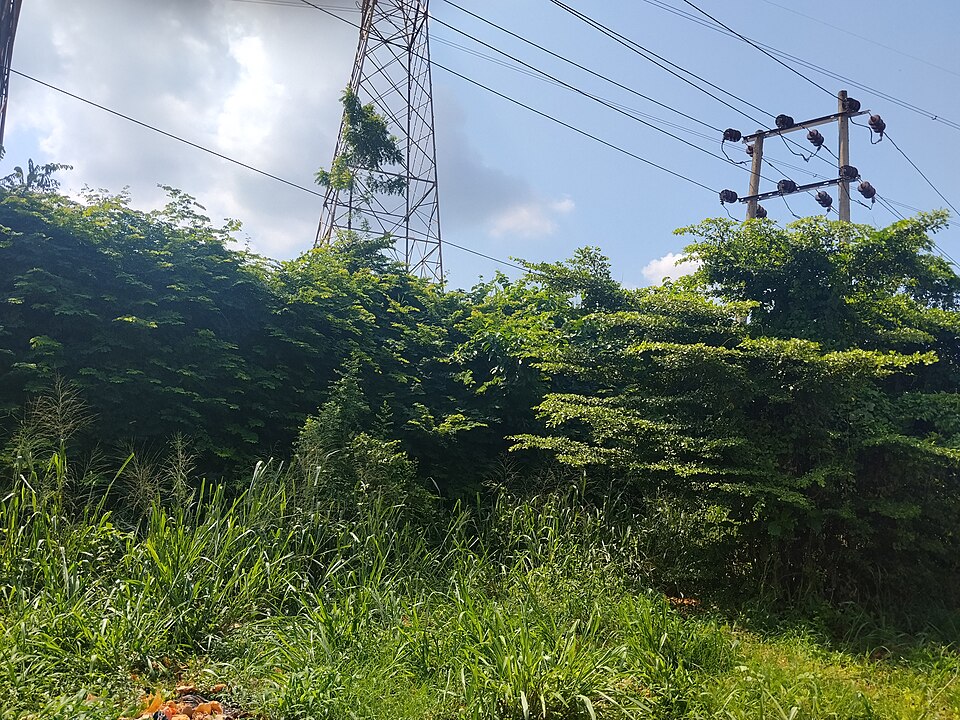
2. The transmission company (TCN). It owns the tall pylons, the high-voltage lines and the big substations that carry power from the stations to the cities. If a line or transformer breaks, power cannot get through even when there is enough of it.
3. The grid operator (NISO). It watches the whole system minute by minute. It decides how much power each DisCo gets, and it orders cuts when there is not enough to go round. That is called load shedding. Under the Electricity Act 2023, TCN says, it is NISO's job to work out what caused a grid disturbance.
4. Your DisCo. It takes power from the transmission substations and runs it through feeders to your street. It owns the local transformers and poles, reads your meter and sends your bill. It also decides which feeders to switch off when its share of power is cut.
So who switched off your light this week?
It can be any of them. That is why the argument between Ikeja Electric and TCN matters. Ikeja Electric said Band A outages on 3 and 4 November came from "grid instability". TCN replied that on 1 and 2 November about two-thirds of interruptions on feeders serving Ikeja Electric were load shedding because too little power was being generated, about a quarter came from the DisCo's own side, and 6 per cent from TCN's planned work.
Low generation was also the reason the Ministry of Power and NISO gave on 5 November for poor supply in Lagos, Abuja and three other states. They pointed to gas shortages at power plants and low water at dams. The Minister of Power, Joseph Tegbe, promised a quick return to steady supply but gave no date.
A simple way to tell
- Whole areas or several states out at once, and the news talks about megawatts falling: usually low generation or a grid problem.
- Your street or estate out while the next area has light: often a feeder or transformer fault, which is the DisCo's to fix.
- Light that comes and goes in turns through the day: load shedding, because the DisCo's share has been cut.
These are rough signs, not proof. Only NISO and the DisCo's records can say for certain.
What it means for you
Your DisCo is the company you pay, so it is the one to call first, whatever the cause. If you are on Band A and your feeder keeps missing 20 hours a day, write to the DisCo, quote your feeder name and keep a copy. If nothing changes, take the complaint to NERC's customer complaints forum for your area. Knowing who does what helps you ask the right question: "Is this low generation, or is it your network?"
Words to know
- GenCo
- A generation company, which owns a power station.
- TCN
- The Transmission Company of Nigeria, which owns and runs the high-voltage lines and big substations.
- NISO
- The Nigerian Independent System Operator, which balances the grid and shares out power among DisCos.
- DisCo
- A distribution company, such as Ikeja Electric or AEDC, which supplies homes and businesses.
Sources
- TCN: Press release on IKEDC Band A outages (6 Nov 2026)
- Nairametrics: TCN accuses Ikeja Electric of misleading customers over feeder outages (6 Nov 2026)
- Nairametrics: FG blames gas shortages, low water inflows for blackouts (5 Nov 2026)
- Blueprint: Tegbe assures of swift restoration of steady power supply (6 Nov 2026)
Spotted an error? Tell us and we will fix it and say so.